

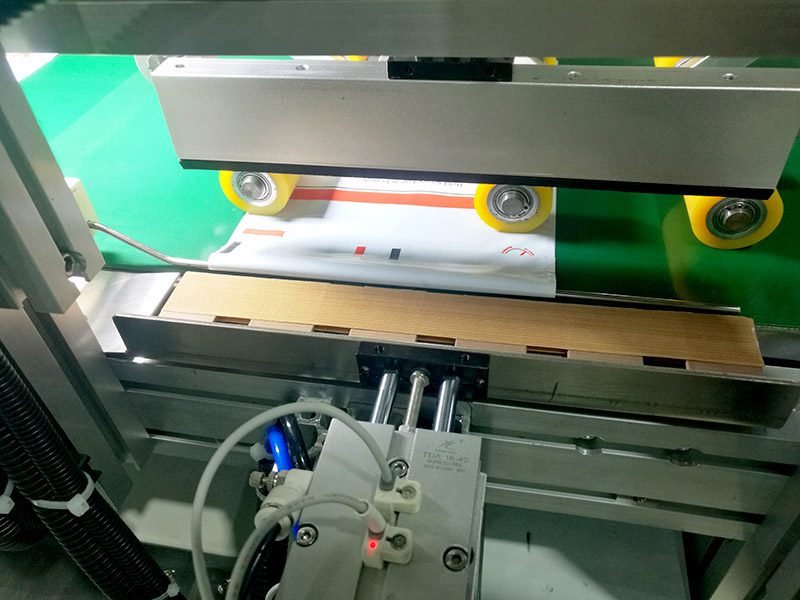
 Figure 1: High-speed Envelope Sorting Machine with multi-outlet distribution system
The Envelope Sorting Machine is a purpose-built solution in the Letter and Flat Mail Sorter family. Unlike generic off-the-shelf sorters, it is engineered around a facility's specific envelope mix, peak volumes and existing software stack. Its adaptive feed mechanism handles envelopes from 90 x 140 mm up to 350 x 250 mm without operator adjustment, while a dual-head OCR and barcode reader sustains 99.7 percent or higher read accuracy even on damaged codes.
Modular sorting outlets are configurable from 4 to 24, letting the same platform serve a small post office, a regional center or a banking mailroom. Throughput is variable from 8,000 to 40,000 pieces per hour and tunes in real time as daily volume rises and falls.
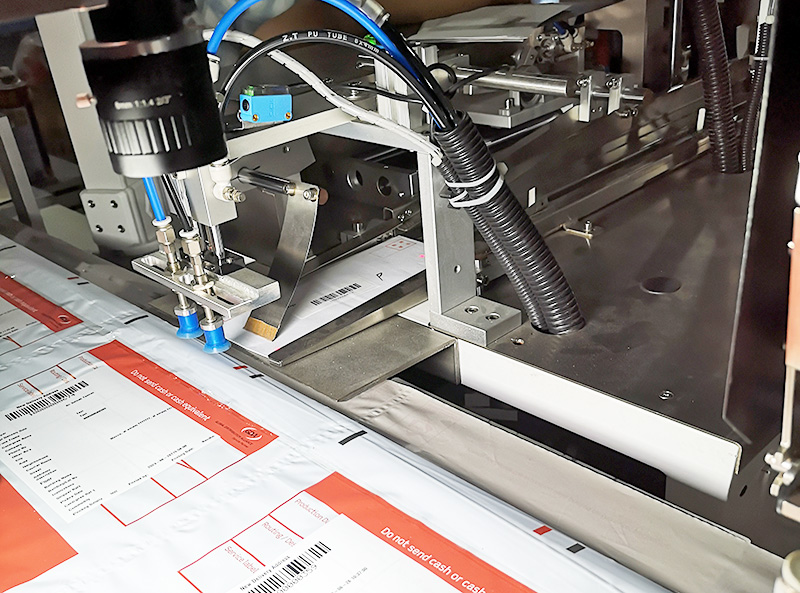 Figure 2: Envelope Sorting Machine with high-speed OCR scanner and control panel
In 2026, the differentiator is recognition intelligence rather than mechanical speed. Modern envelope sorters pair deep-learning OCR with traditional 1D/2D barcode decoding so a single unreadable symbology no longer stalls the line. The dual-modal approach lifts read rates above 98 percent on printed addresses and reduces the manual re-sort backlog that erodes margins at peak season.
Connected sorters stream belt tension, motor temperature and camera health to a dashboard. Predictive maintenance replaces reactive break-fix, cutting unplanned downtime and turning capacity planning into a data exercise.
The shift from fixed hardware to configurable outlets and API-driven routing is the defining 2026 trend. A machine that ships with 8 outlets can expand to 24 as volume grows, and routing logic is updated in software rather than rewired. RESTful APIs plus legacy SOAP/XML and SMTP/IMAP support let the sorter plug into existing WMS, TMS and postal systems.
Operators in 2026 weigh energy per sorted item as a KPI. Variable-speed drives, regenerative braking on divert arms and intelligent standby modes lower kWh per thousand envelopes.
| Parameter | Specification |
|---|---|
| Supported envelope size | 90 x 140 mm to 350 x 250 mm (DL 110 x 220 mm to C4 324 x 229 mm) |
| Recognition system | Dual-head OCR + 1D/2D barcode, 99.7 percent+ read accuracy |
| Sorting outlets | Modular, 4 to 24 configurable |
| Throughput | 8,000 to 40,000 pieces/hour, variable in real time |
| Software integration | RESTful API, SOAP/XML, SMTP/IMAP; WMS/TMS ready |
| Special reading | MICR reading capability for banking mail |
| Adaptive feed | Automatic size adjustment, no manual changeover |
| Lead time | 4 to 6 weeks shipment; 3 to 5 days on-site commissioning |
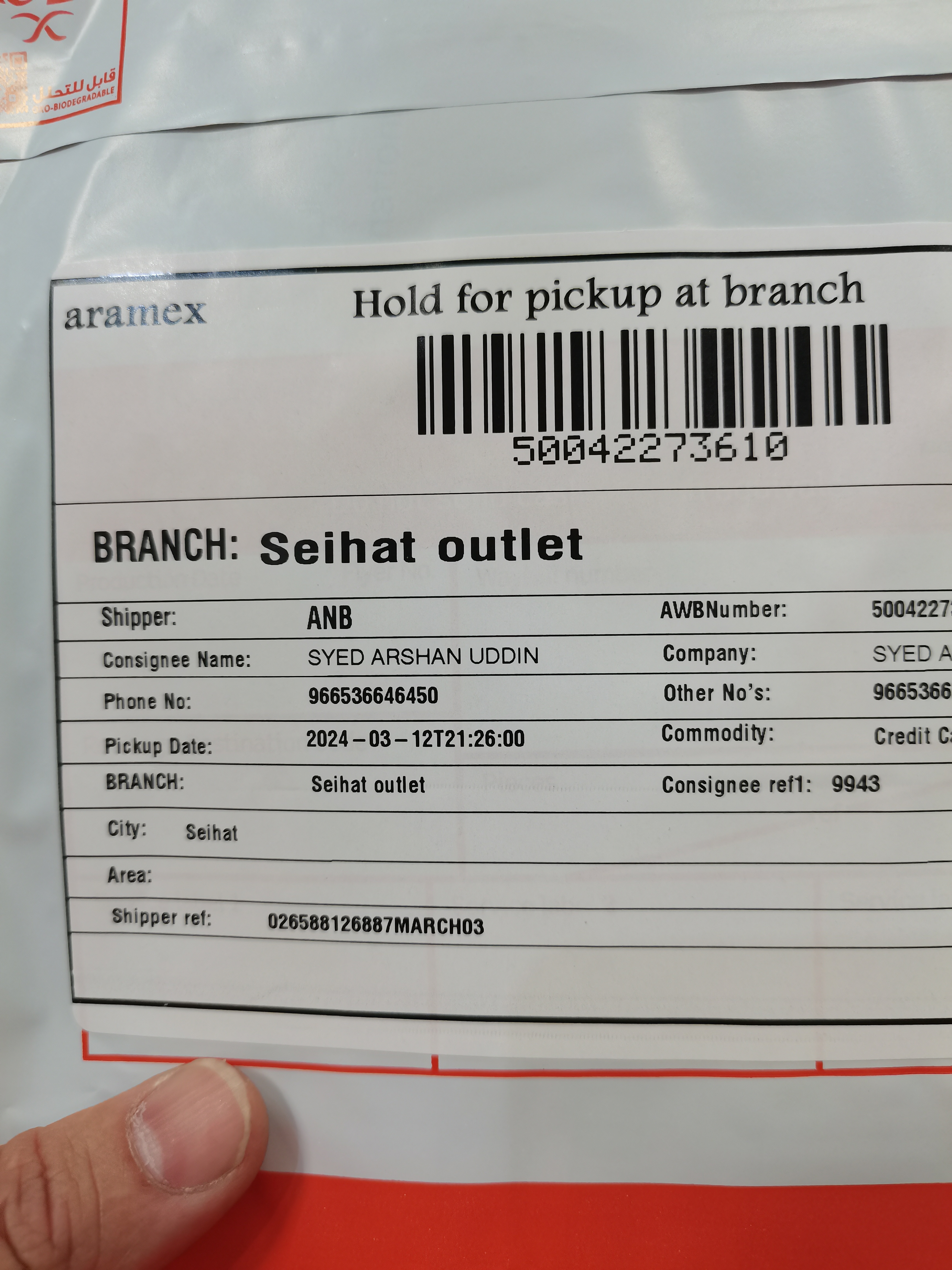 Figure 3: Envelope Sorting Machine in a high-volume distribution environment
Process 30,000 plus letters per hour with automatic ZIP code sorting and carrier route assignment. Customizable outlet maps mirror the facility layout so sorted trays line up with downstream dispatch.
Sort poly mailers and flat packages by destination zone at 25,000 plus pieces per hour. Real-time speed adjustment absorbs promotional spikes that would jam a fixed-speed sorter.
Handle tax documents, voter mail and official correspondence with secure, auditable trails that satisfy compliance reviews.
Process statements, checks and compliance mailings with MICR reading capability, linking physical mail to downstream workflows.
Three forces shape the envelope-sorting market this year. First, labor scarcity pushes operators toward automation that cuts headcount rather than reallocates it. Second, e-commerce returns and cross-border mail keep volumes volatile, favoring flexible, software-defined machines over rigid lines. Third, data sovereignty and audit requirements make locally deployable, API-friendly equipment more attractive than closed proprietary systems.
The result is a clear move from one-size-fits-all sorters to configurable platforms where the same mechanical core serves postal, commercial and financial users through software and outlet configuration. WINDA positions the Envelope Sorting Machine in this trend with its 4 to 24 outlet modularity and open integration layer.
Return on investment comes from matching the machine to the operation instead of forcing the operation onto a generic line. Documented outcomes include 60 to 75 percent labor cost reduction, accuracy improvement from 99.2 to 99.8 percent, three to five times manual throughput, and an 18 to 24 month payback period.
It supports DL (110 x 220 mm) up to C4 (324 x 229 mm) envelopes, plus non-standard sizes up to 350 x 250 mm. The adaptive feed adjusts automatically.
Yes. It offers RESTful API and standard protocol support (SMTP/IMAP, SOAP/XML) and has been integrated with Pitney Bowes, Neopost and custom WMS platforms.
Standard configurations ship within 4 to 6 weeks. On-site commissioning takes 3 to 5 days. Complex integrations may extend lead time to 8 to 12 weeks.
The dual-head OCR system achieves 98 percent plus read rates on printed addresses even when barcodes are damaged, minimizing manual handling.
The 2026 envelope sorting machine is a connected, learning node in a logistics network rather than a conveyor with diverters. For operators weighing their next automation step, the WINDA Envelope Sorting Machine illustrates the winning formula: adaptive mechanics, AI-grade recognition, modular outlets and open software integration. Those who adopt configurable sorting this year will absorb volume volatility and labor pressure far better than those clinging to rigid legacy lines.
Postal AutomationAI OCRModular SortingE-commerce FulfillmentBanking MailWINDA
Sorter
Wechat QR code
wechat number:Copyright © 2022-2023 Winda, inc. All rights reserved