

Intelligent Push-board Sorters represent the sweet spot of automated sortation technology — delivering 99.9% accuracy and 2,000-6,000 pieces per hour throughput at a price point that makes automation accessible to medium-sized distribution operations, e-commerce fulfillment centers, and third-party logistics providers.
What is an Intelligent Push-board Sorter?
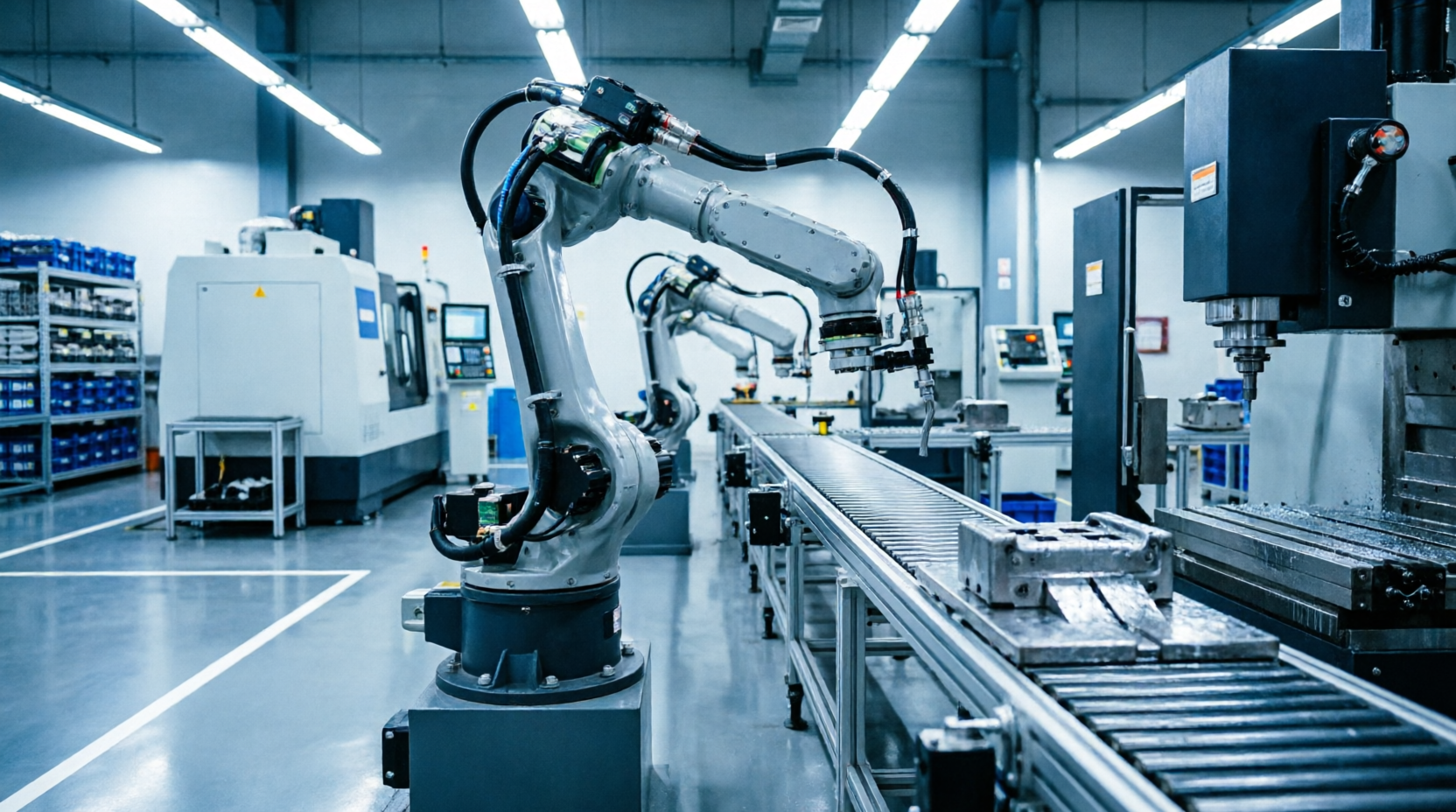
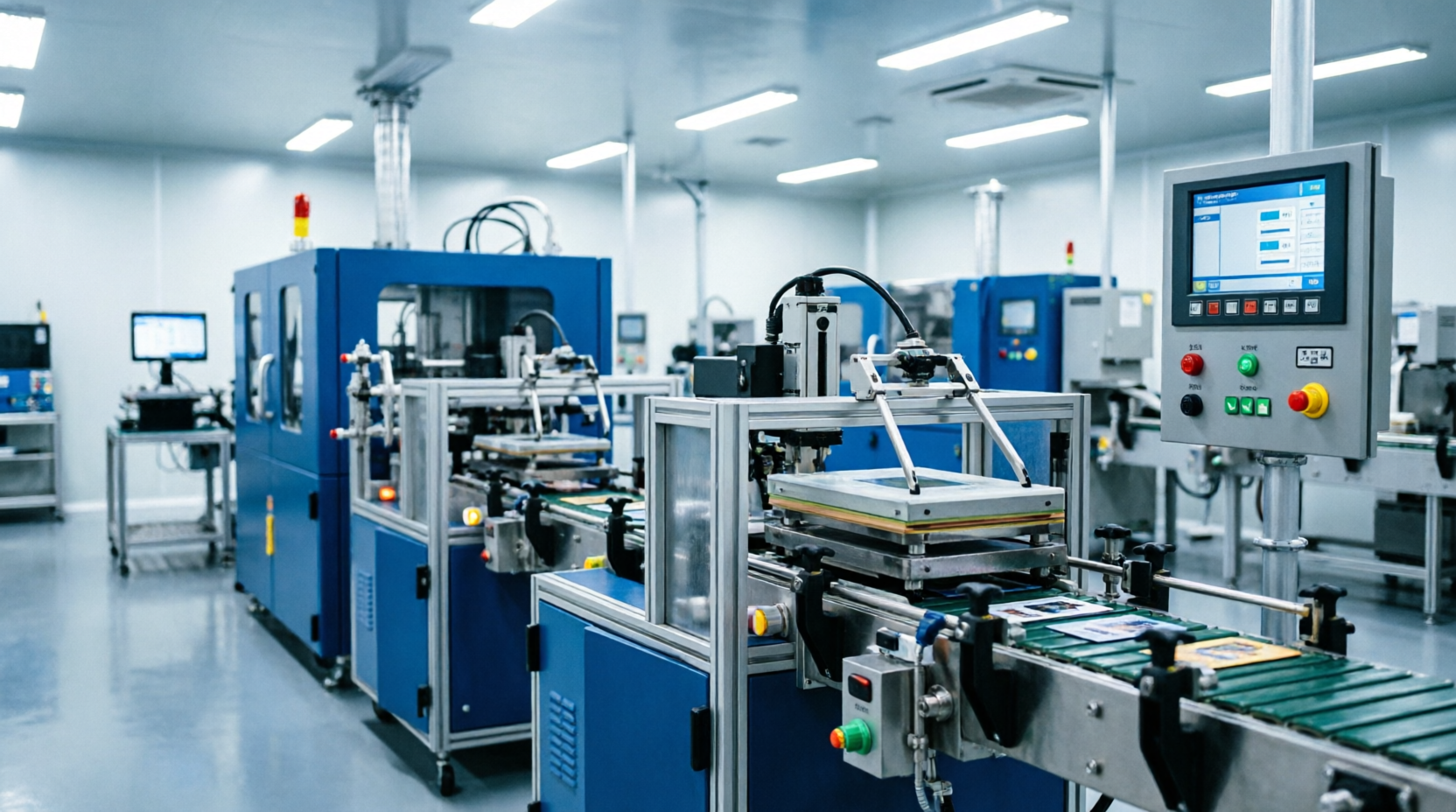
An Intelligent Push-board Sorter (also known as a Push Tray Sorter or Slat Conveyor Sorter) is a medium-throughput automated sorting system that uses a series of individually controlled push plates or slats to redirect items into designated chutes. Unlike high-end cross-belt systems, push-board sorters offer a simpler mechanical design that significantly reduces capital investment while maintaining excellent sortation accuracy.
The system consists of a continuous loop conveyor with interlocking slats. As items travel along the conveyor path, sensors identify each item's destination. At the appropriate discharge point, the corresponding push plate activates, gently guiding the item into the correct chute. This elegant mechanical solution achieves remarkable reliability with minimal maintenance requirements.
Why Choose Push-board Technology in 2026?
For operations processing 2,000 to 6,000 items per hour, push-board sorters offer compelling advantages over both manual sorting and premium automated alternatives:
Exceptional ROI
Achieve payback in 12-18 months through labor savings and accuracy improvements
99.9% Accuracy
Advanced sensor fusion ensures near-perfect sortation performance
Lower Capital Cost
40-60% lower investment than cross-belt systems for medium throughput
Easy Maintenance
Simple mechanical design with modular components for quick service
Cost-Effectiveness Analysis
2026 Market Insight: For distribution centers processing 2,000-8,000 items daily, push-board sorters deliver the optimal balance of automation benefits and capital efficiency. The simplified mechanical architecture eliminates complex belt drives and precision cart tracking, reducing both initial investment and long-term maintenance costs.
Technical Specifications and Performance
| Performance Metric | Push-board Sorter | Traditional Manual | Cross-belt (Comparison) |
|---|---|---|---|
| Throughput Rate | 2,000-6,000 items/h | 300-500 items/h (per sorter) | 15,000-24,000 items/h |
| Sortation Accuracy | 99.9% | 92-95% | 99.99% |
| Capital Investment | $$ (Moderate) | $ (Low, but high labor cost) | $$$$ (High) |
| Item Size Range | 100-600mm | Unlimited (human flexibility) | 50-800mm |
| Energy Consumption | 3-5 kW | N/A (manual) | 8-15 kW |
| Maintenance Complexity | Low | N/A | High |
Key Application Scenarios in 2026
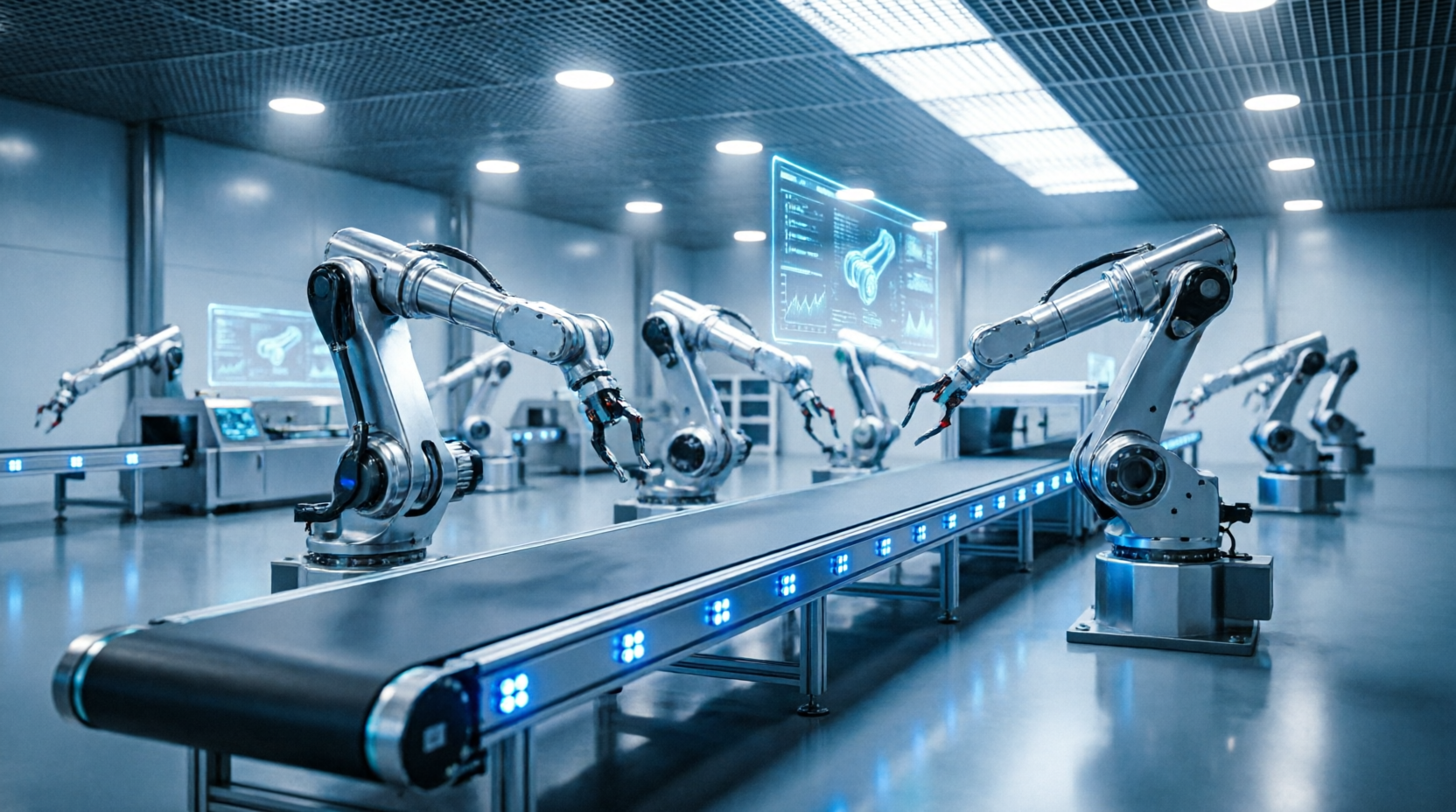
Push-board sorters have found their ideal market niche in applications that require more throughput than manual sorting can deliver, but don't justify the investment in high-speed cross-belt systems.
1. Regional E-commerce Fulfillment Centers
For e-commerce operations processing 1,000-5,000 orders daily, push-board sorters provide the automation needed to compete with larger players. The system handles poly bags, cartons, and envelopes with equal efficiency, sorting them into destination bins organized by postal code, carrier, or delivery route.
- Reduced Labor Costs: One push-board sorter replaces 8-12 manual sorters, delivering substantial payroll savings
- Scalable Configuration: Systems can start with 20 chutes and expand to 60+ as volume grows
- Quick Deployment: Typical installation and commissioning completed in 4-6 weeks
- Flexible Integration: Compatible with existing conveyor systems and warehouse management software
2. Pharmaceutical Distribution
Pharmaceutical distributors benefit from the push-board sorter's gentle handling and traceability features. The system can be configured to meet FDA 21 CFR Part 11 compliance requirements, with full audit trails for each sorted item.
3. Food and Beverage Wholesale
Food distributors use push-board sorters for order consolidation, separating products by delivery route, temperature zone, or customer type. The open slat design facilitates easy cleaning and meets food safety standards.
Intelligent Features in the 2026 Generation
Today's push-board sorters incorporate smart technologies that were previously available only on premium systems:
AI-Powered Dimensioning
Integrated 3D vision measures item dimensions in milliseconds, optimizing push plate timing
Adaptive Speed Control
Conveyor speed automatically adjusts based on item characteristics and system load
Cloud Connectivity
Real-time performance monitoring and predictive maintenance alerts via IoT platform
Modular Expansion
Add discharge chutes and conveyor sections without system downtime
2026 Innovation Spotlight: The latest push-board sorters feature "Soft-Touch" discharge technology — variable-pressure pneumatic actuators that adjust pushing force based on item weight and fragility, reducing product damage rates to below 0.05%.
Comparing Push-board with Alternative Technologies
| Technology | Best For | Throughput | Investment Level |
|---|---|---|---|
| Manual Sorting | Very low volume, high variety | <500 items/h | $ (Labor intensive) |
| Push-board Sorter | Medium volume, cost-sensitive | 2,000-6,000 items/h | $$ (Moderate) |
| Tilt-tray Sorter | Medium-high volume | 4,000-10,000 items/h | $$$ (Significant) |
| Cross-belt Sorter | High volume, maximum flexibility | 15,000-24,000 items/h | $$$$ (Premium) |
Sustainability Advantage: Push-board sorters consume 60-70% less energy per sorted item compared to cross-belt systems, making them the environmentally responsible choice for medium-throughput operations. The simplified drive system and regenerative braking further reduce the carbon footprint.
Implementation Considerations for 2026
When evaluating push-board sorter implementation, consider these key factors:
- Floor Space Requirements: Circular configurations need 150-250 m²; linear configurations require 20-40 meters of straight run space
- Integration Timeline: 6-10 weeks from order to operational, including site preparation and staff training
- ROI Calculation: Most operations achieve payback in 12-20 months through labor reduction and accuracy improvement
- Scalability Planning: Choose a system architecture that allows chute expansion without major redesign
Future Development Roadmap
The push-board sorter market continues to evolve. Key developments expected through 2027 include:
| Upcoming Feature | Expected Benefit | Availability |
|---|---|---|
| Machine Learning Optimized Routing | 10-15% throughput increase | Q1 2027 |
| Self-Lubricating Slat Materials | 50% reduction in maintenance | Q3 2027 |
| Augmented Reality Training | 70% faster operator onboarding | Q2 2027 |
| Edge Computing Local Control | Reduced latency, improved reliability | Q4 2026 |
Conclusion
Intelligent Push-board Sorters have carved out a vital position in the automated sortation landscape. By delivering 99.9% accuracy and 2,000-6,000 items per hour throughput at a moderate investment level, these systems empower medium-sized operations to embrace automation and compete effectively in an increasingly demanding market.
For distribution centers, e-commerce fulfillment operations, and third-party logistics providers processing moderate volumes, the push-board sorter represents not just a technology choice, but a strategic investment in operational competitiveness. The combination of proven reliability, intelligent features, and attractive ROI makes it the sorting solution of choice for 2026 and beyond.
As labor costs continue to rise and customer expectations for fast, accurate delivery intensify, push-board sorters provide a practical and profitable path to automation — delivering the benefits of high-end systems at a price point that makes business sense for growing operations.
Get a Push-board Sorter QuoteGet in Touch With Our Team
Email: [email protected]
WhatsApp: +86 186 2085 0485
Website: www.wdsort.com