

As e-commerce volumes climb and labor shortages tighten across distribution networks, 2026 has become a turning point for equipment once considered niche: the high-efficiency swivel wheel sorter. Compact, modular, and gentle on fragile goods, swivel wheel technology is moving from pilots into the mainstream of mid-volume fulfillment, retail replenishment, and cross-dock operations. This article examines the technology, its specifications, and the market forces driving 2026 adoption.
A swivel wheel sorter is an integrated intelligent logistics machine that combines servo transmission, intelligent scheduling, and precise detection. Instead of tilt trays or mechanical arms, it uses rows of omni-directional wheels on rotating modules. When a parcel reaches its diverter, the wheels pivot in milliseconds to steer it toward the correct chute. This "float and steer" motion is exceptionally gentle, suiting electronics, cosmetics, pharmaceuticals, and other fragile or high-value SKUs.
The configuration highlighted here is built around a compact DWS (Dimensioning, Weighing, Scanning) sorting line with 6 primary sorting stations and 1 NG (No Good) exception station. The NG station is a defining feature: unidentifiable, oversized, or damaged items are routed away automatically without halting the main flow.
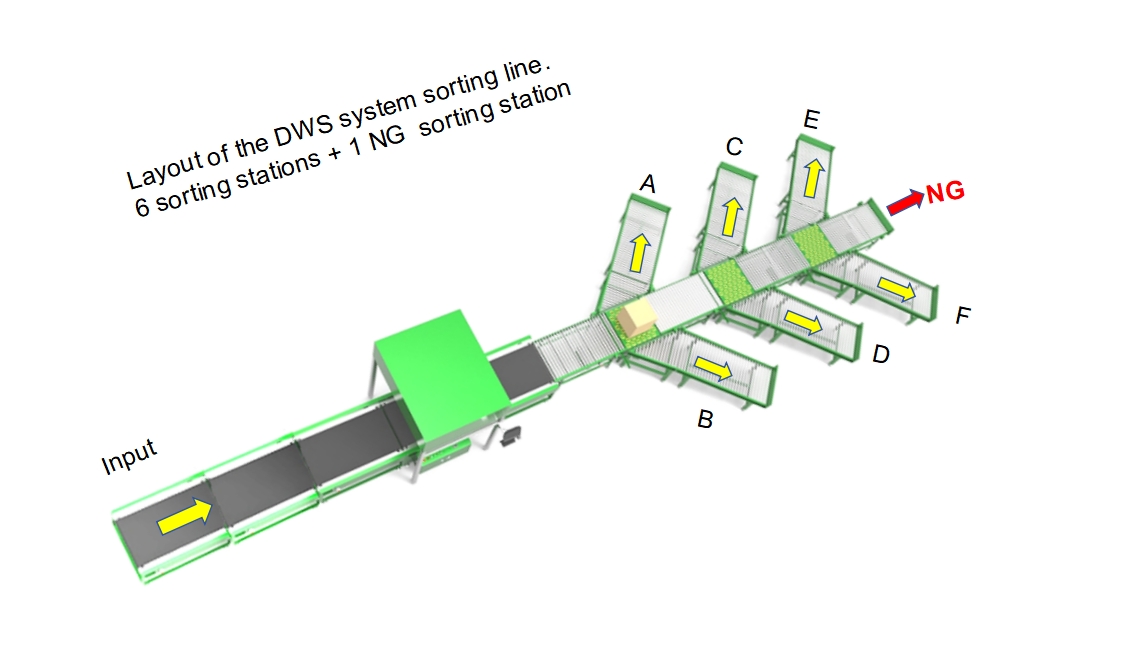
The following specifications define the standard 6+1 station configuration:
| Parameter | Specification |
|---|---|
| Total Sorting Stations | 6 stations + 1 NG exception station |
| Sorting Capacity | Up to 12,000 pieces / hour |
| Item Size Range | 100 x 100 mm to 500 x 500 mm |
| Item Weight Range | 50 g - 25 kg |
| Sorting Accuracy | 99.95% and above |
| Conveyor Speed | 0.8 - 1.8 m/s (adjustable) |
| Recognition Technology | Barcode / QR Code / Data Matrix / OCR optional / RFID upgrade |
| Power Supply | AC 380V 50Hz / 220V available |
| Throughput Gain vs Manual | Approximately 5x manual sorting |
| Daily Cleaning Time | About 5 minutes |
The dedicated NG station automatically captures unreadable, oversized, or problematic items. Because exceptions are collected on a separate line, one mis-scanned parcel no longer stops the sorter. In 2026, where same-day promises leave no room for downtime, this resilience is a primary buying criterion.
Swivel wheel diversion steers items rather than slamming them into a chute. This protects fragile electronics, glass cosmetics, and premium goods, directly reducing damage-related returns that erode margin.
Standard interfaces connect the sorter to WMS, TMS, and ERP platforms. The plug-and-play design works with most existing conveyor systems, so operators can retrofit a sorting line without replacing their whole material-handling backbone.
With fewer moving parts than tilt-tray sorters, daily cleaning takes about five minutes and one annual preventive-maintenance visit is enough. Lower maintenance means higher uptime and a smaller spare-parts inventory.
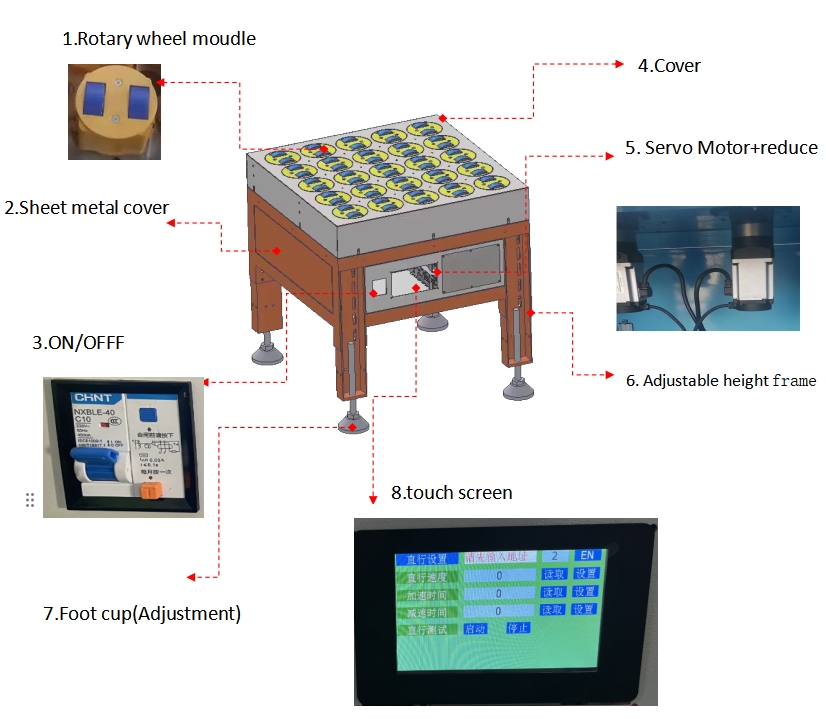
Operators that deploy the swivel wheel sorter typically report meaningful gains:
Warehousing continues to face chronic labor gaps. In 2026, the economics of manual sorting no longer hold for mid-volume operators, and swivel wheel sorters offer a capital-efficient alternative that needs only a small oversight crew.
Modern sorters are software-defined: chute assignments, diversion logic, and NG rules are configured in the WMS rather than hard-wired. A single line can serve multiple business models and absorb peak-season surges without hardware changes.
Supply-chain volatility has pushed exception handling to the top of the agenda. The NG station model keeps lines flowing even when upstream data is incomplete, a capability now expected as standard in 2026.
Lower energy per sorted parcel and fewer damage returns support corporate sustainability targets. Buyers now weigh carbon per shipment alongside capital cost.
The modular architecture allows operators to start with 6 stations and expand later with minimal downtime, typically 1 to 2 days for an added module. This matches the 2026 preference for phased, low-risk automation investments.
Barcode, QR, Data Matrix, OCR, and RFID now coexist on a single platform. As RFID tagging spreads in apparel and pharmaceutical supply chains, upgradable recognition keeps the sorter future-proof.
What is the NG station used for?
The NG (No Good) station automatically routes items that cannot be identified, are outside size or weight limits, or appear damaged. They are collected separately for manual review without stopping the main sort.
Can I expand from 6 to more stations later?
Yes. The modular architecture supports adding sorting modules with minimal downtime, usually completed in 1 to 2 days by service technicians.
What recognition technologies are supported?
Standard 1D/2D barcode, QR code, Data Matrix, optional OCR for address reading, and RFID as an upgrade option for high-speed identification.
How long does installation take?
Standard installation takes 3 to 5 working days including setup, calibration, testing, and operator training. Complex integrations may need up to two weeks of lead time.
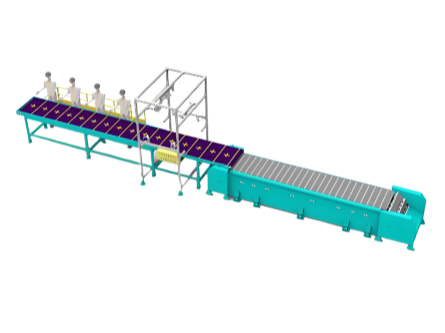
In 2026, the high-efficiency swivel wheel sorter has matured from a specialized option into a default choice for mid-volume operations needing high accuracy, gentle handling, and built-in exception management without the footprint and cost of large tilt-tray systems. With up to 12,000 pieces per hour, 99.95% accuracy, and an 18 to 24 month payback, it offers a compelling path to resilient, software-defined automation. For operators weighing their next sorting investment, this swivel wheel configuration belongs at the top of the shortlist.
To discuss a configuration tailored to your facility layout and volume, contact the engineering team at [email protected].
Sorter
Wechat QR code
wechat number:Copyright © 2022-2023 Winda, inc. All rights reserved