

As global e-commerce parcel volume continues to climb past record highs in 2026, fulfillment centers are under relentless pressure to sort more small parcels, faster, and with fewer misroutes. The high-speed linear narrow-belt sorting machine has emerged as one of the most dependable workhorses on the modern sortation floor. Combining a compact linear footprint, gentle yet precise belt diverters, and intelligent control software, this class of equipment answers the core challenge of high-mix, low-weight parcel flows that define today’s direct-to-consumer supply chains.
In this article, we look at why linear narrow-belt sorters are gaining ground in 2026, how they integrate with AI vision and warehouse management systems, and what operators should evaluate when selecting a solution for their facility.
The average parcel handled by a regional fulfillment hub is lighter, smaller, and more varied in shape than a decade ago. Poly-mailers, cartons, and soft packs arrive in mixed batches that defeat rigid tilt-tray or cross-belt lines at peak. A linear narrow-belt sorter moves items along a single straight or gently curved conveyor line, diverting each parcel sideways into a chute or downstream lane at the right moment. Because the belt width is narrow relative to item size, the system achieves high linear density: more divert points per meter, more sorts per hour, and a smaller floor footprint than equivalent loop-based solutions.
WINDA’s High-Speed Linear Narrow-Belt Sorting Machine is engineered for exactly this profile: it sustains stable throughput on items ranging from a thin envelope to a 30 kg carton, without manual re-feeding or pre-alignment stations that slow the line.

Figure 1: WINDA linear narrow-belt sorter – main conveyor and divert stations.
The table below summarizes the representative performance envelope of a linear narrow-belt sorter configured for e-commerce parcel handling. Exact values are tuned per project after a site survey of parcel mix and target SKU lanes.
| Parameter | Typical Range |
|---|---|
| Sortation throughput | up to 8,000 items/hour (single line) |
| Conveyor speed | 1.2 – 2.5 m/s, variable frequency |
| Item weight range | 0.05 – 30 kg |
| Min. item dimension | 80 x 80 x 10 mm |
| Divert accuracy | ≥ 99.9% |
| Number of divert lanes | 8 – 60 (configurable) |
| Power supply | 380 V / 50 Hz, 3-phase |
| Control system | PLC + industrial PC, WINDA SortOS |

Figure 2: Close-up of the belt diverter and lane interface.
The defining upgrade of 2026 is not mechanical but digital. Modern linear narrow-belt sorters are no longer standalone conveyors; they are nodes in a connected fulfillment network. Three integrations stand out:
At the infeed, AI-driven vision stations capture each parcel’s dimensions and decode barcodes or QR labels in any orientation. This removes the need for operator pre-scanning and feeds a real-time digital twin of the line. Misreads drop below 0.1 percent even on wrinkled poly-mailers.
The sorter’s control software receives sort destinations from the warehouse management system (WMS) and re-maps lanes on the fly. During a flash-sale surge, lanes can be re-balanced to the busiest carrier routes within seconds, keeping throughput smooth without a line stop.
Motor current, belt tension, and bearing temperature are streamed to a cloud dashboard. Anomalies trigger maintenance tickets before a failure occurs, which is the single largest driver of unplanned downtime reduction reported by 2026 adopters.
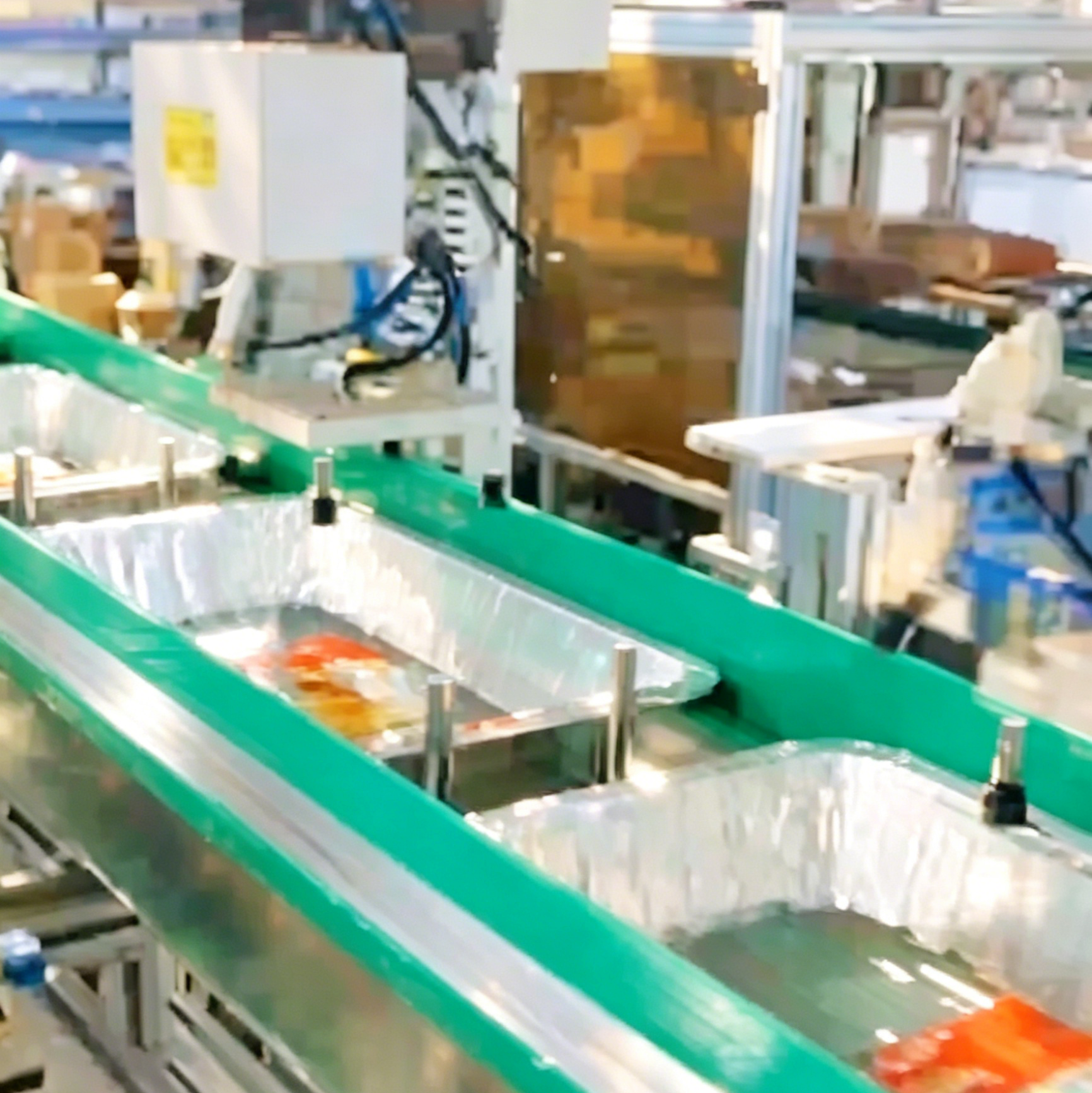
Figure 3: Control cabinet and HMI running WINDA SortOS.
Linear narrow-belt sorters are deployed across the fulfillment spectrum:
With energy cost scrutiny rising in 2026, the linear configuration scores well. A single straight line consumes less than a comparable loop sorter because there is no return conveyor. Regenerative drives recover braking energy at each divert, and the variable-frequency belt runs only as fast as the current load demands. For brownfield sites with limited floor area, the narrow-belt layout often fits into a space previously used by manual packing tables.
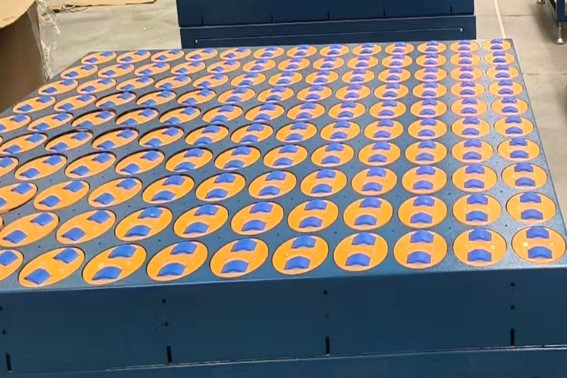
Figure 4: A deployed line inside a regional fulfillment center.
When evaluating a linear narrow-belt sorter, operators should weigh the following factors against their parcel profile and growth plan:
| Evaluation Factor | What to Verify |
|---|---|
| Peak throughput | Confirm sustained rate, not short-burst, against your worst-case hour. |
| Item envelope | Test your lightest poly-mailer and heaviest carton on the same line. |
| WMS compatibility | Request a live API or middleware demo with your actual system. |
| Expansion path | Ensure lanes can be added without replacing the main conveyor. |
| Service footprint | Check spare-part lead time and remote diagnostics availability. |
Industry analysts expect sortation automation spend to keep growing through 2026, led by mid-size 3PLs upgrading from manual lines. The winners will be solutions that combine mechanical reliability with open software integration, because the sorting machine of 2026 is only as good as the data it exchanges. Linear narrow-belt technology, with its favorable cost-per-divert and small footprint, is well positioned to capture a large share of these incremental deployments.
For operators planning capacity ahead of the next peak season, early engagement with an equipment partner allows the sorter layout to be co-designed with the building’s inbound and outbound geometry, avoiding costly retrofits later.
WINDA (Shenzhen Zhongweida Technology Co., Ltd.) designs and manufactures sortation and material-handling equipment for logistics, e-commerce, and industrial automation. Our product range spans narrow-belt sorters, cross-belt sorters, swivel-wheel sorters, and telescopic conveyors, supported by in-house control software and global service.
Email: info@wzowinda.com | WhatsApp: +86 186 2085 0485
Sorter
Wechat QR code
wechat number:Copyright © 2022-2023 Winda, inc. All rights reserved