

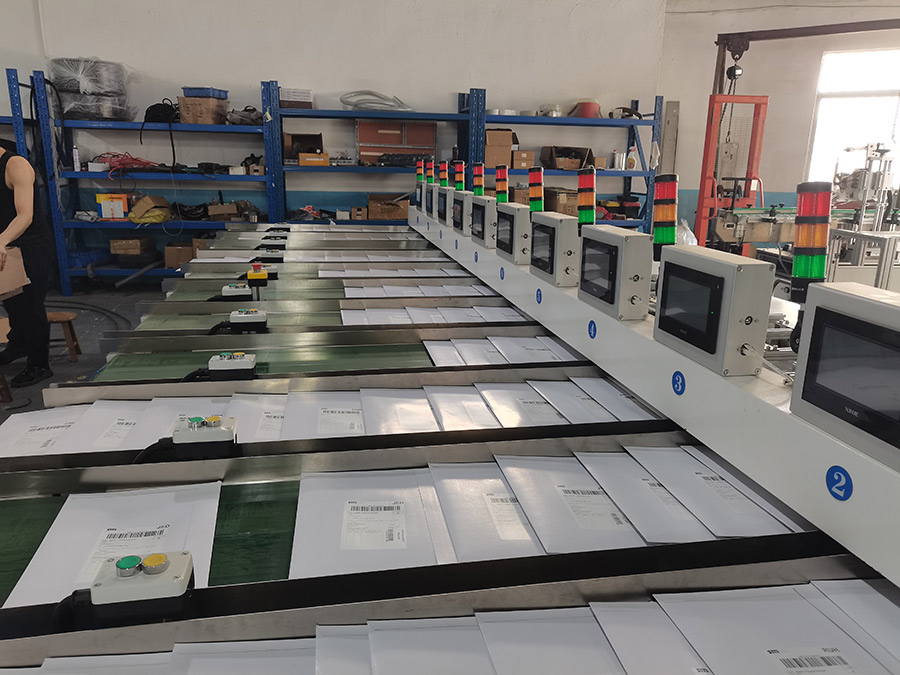
 Figure 1. Zowinda envelope sorter.
In an era where financial institutions, government agencies and postal operators grapple with soaring mail volumes and tightening accuracy requirements, Shenzhen Zowinda Technology Co., Ltd. has positioned its Intelligent Envelope Sorting System as a reference solution for automated document handling. Released in 2025, the platform promises 99.98% sorting accuracy across banks, immigration desks, passport centers and card-issuance lines. As we move through 2026, the convergence of AI vision, OCR and machine-learning routing is rewriting what operators expect from envelope and document sorting equipment.
The Zowinda Envelope Sorting Machine is an automated, high-speed solution engineered to read, classify and route envelopes, flats and document batches without manual intervention. Its design centers on three pillars: error-free reading, seamless enterprise integration, and continuous self-improvement through learning algorithms.
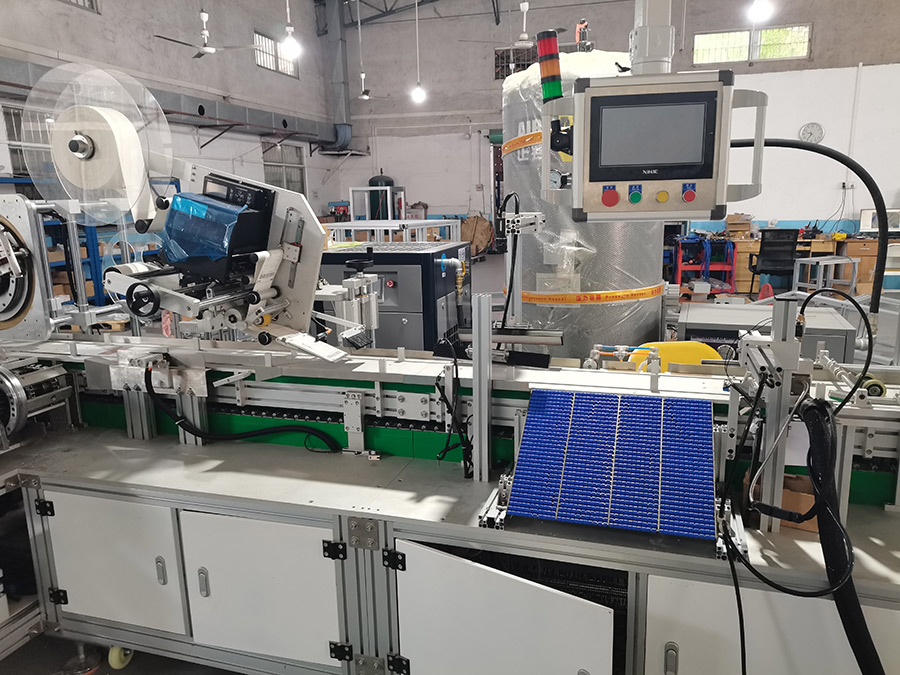 Figure 2. Vision module reading reflective and damaged envelopes.
The following table reflects the published capability set of the Zowinda Intelligent Envelope Sorting System. Figures are representative for the 2026 production configuration.
| Parameter | Specification |
|---|---|
| Sorting Accuracy | 99.98% (validated across mixed envelope stocks) |
| Reading Capability | Damaged, reflective and low-contrast barcodes / QR / OCR text |
| Throughput | High-speed continuous feed, rated for peak mailroom surges |
| Code Types | 1D barcode, 2D QR, printed OCR addresses, RFID tags (optional) |
| Enterprise Integration | SAP / Oracle connectivity for real-time tracking |
| Learning Engine | Machine-learning routing rules that improve over time |
| Regional Compliance | Supports EU / APAC / MENA regulatory requirements |
| Logistics Link | Plug-and-play integration with warehouse and courier systems |
A defining feature of the Zowinda system is its ability to read damaged and reflective barcodes that defeat conventional scanners. Multi-angle illumination combined with deep-learning vision models reconstructs distorted symbologies, directly reducing mis-sorts and downstream reprocessing cost.
Beyond symbologies, the system applies OCR to printed and typed address fields, enabling routing even when labels are partially obscured. This is especially valuable for government mail where hand-stamped or legacy address formats persist.
The platform continuously improves sorting rules via machine learning. Every sorted batch feeds a feedback loop that refines classification confidence, so accuracy compounds the longer the system runs. Operators report that the model adapts to new envelope stocks without recalibration downtime.
Seamless SAP/Oracle connectivity gives operators real-time tracking of every document. In 2026, ERP-native integration is a procurement requirement for large institutions that must audit document flows end to end.
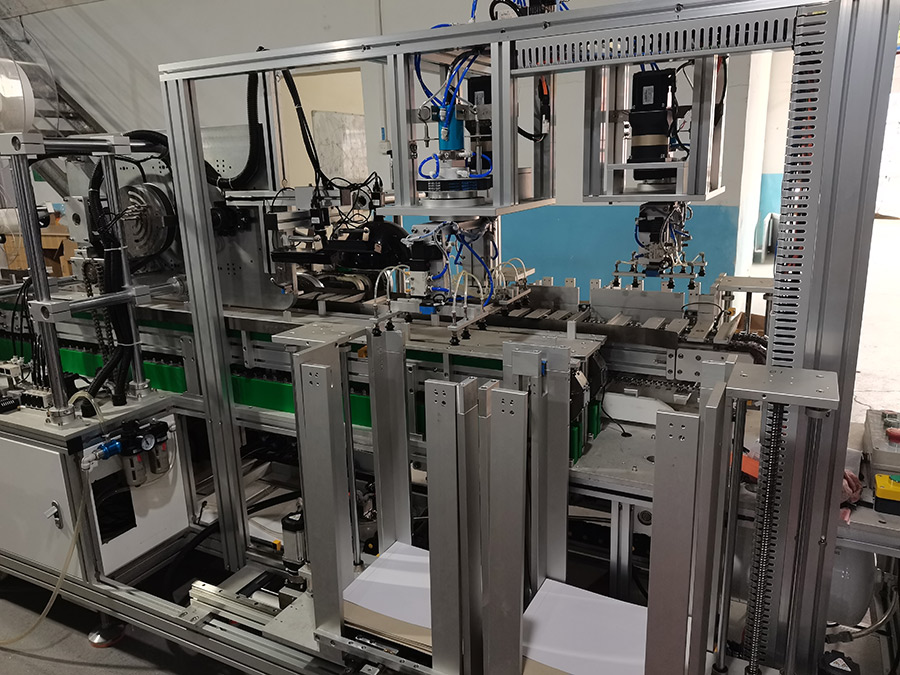 Figure 3. Real-time tracking dashboard linked to ERP.
Banks process statement envelopes, cheque batches and card shipments in enormous volume. Error-proof sorting is critical because a mis-routed card shipment carries compliance and fraud risk. The Zowinda system demonstrates measurable labor reduction in card-sorting operations while raising first-pass accuracy.
A standout reference case comes from a Middle East immigration authority, where the system cut passport processing time from 5 days to 36 hours. By automating the intake and routing of application envelopes, the agency removed a major bottleneck in citizen services.
Postal networks benefit from high-surge throughput and plug-and-play logistics integration, forwarding sorted batches directly to dispatch without manual handoff.
Personalization bureaus rely on the platform to sequence and verify card mailers against issuance records, closing the loop between production and delivery.
The global document and mail automation market is expanding at a compound annual growth rate of roughly 6.8%. Several forces are reshaping buyer expectations in 2026:
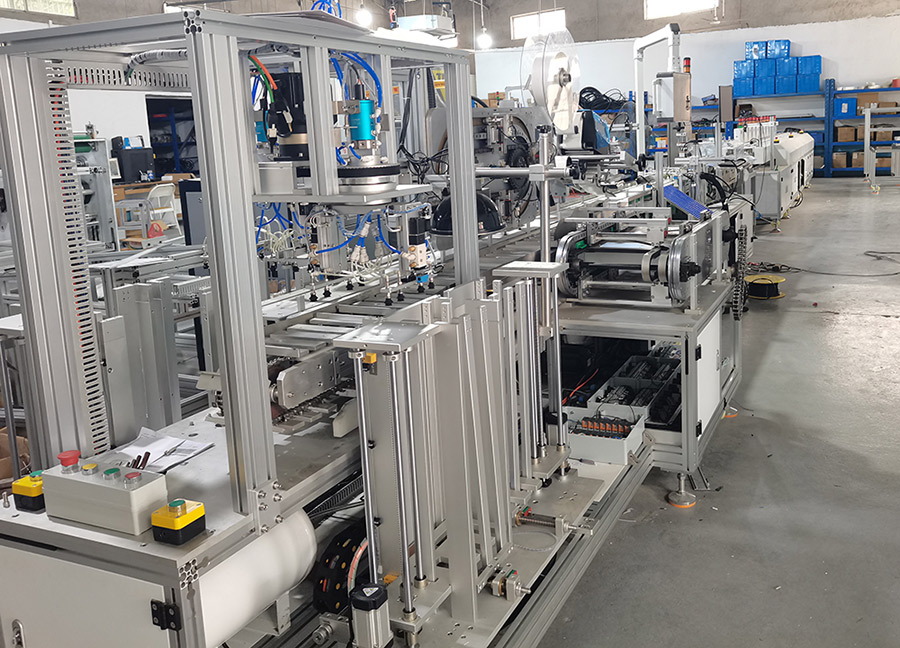 Figure 4. Modular line with regional compliance packages.
Zowinda cites concrete outcomes from major institutions. Beyond the Middle East immigration case, banking clients report reduced card-sorting labor and a steep drop in reprocessing cost. Traditional manual methods cannot keep pace: one client estimated millions in annual reprocessing expense from manual mis-sorts. The system pays back through labor savings, error reduction and faster service agreements.
The Zowinda Intelligent Envelope Sorting System is available as a configurable platform with regional packages for EU, APAC and MENA markets. Its plug-and-play logistics integration shortens deployment time, and the modular chassis allows capacity to scale with volume growth.
As 2026 advances, envelope and document sorting is transitioning from a manual back-office chore to a strategic, AI-governed process. The Zowinda Intelligent Envelope Sorting System illustrates where the category is heading: vision that reads what legacy scanners cannot, learning that compounds accuracy, and integration that satisfies the strictest audit demands of banks and governments. For operators weighing automation, the payback is no longer theoretical, and the bar for acceptable performance has moved permanently upward.
Zowinda (WINDA) is a Shenzhen-based manufacturer of intelligent sorting and document-automation equipment, serving banks, government agencies and logistics operators worldwide.
Sorter
Wechat QR code
wechat number:Copyright © 2022-2023 Winda, inc. All rights reserved