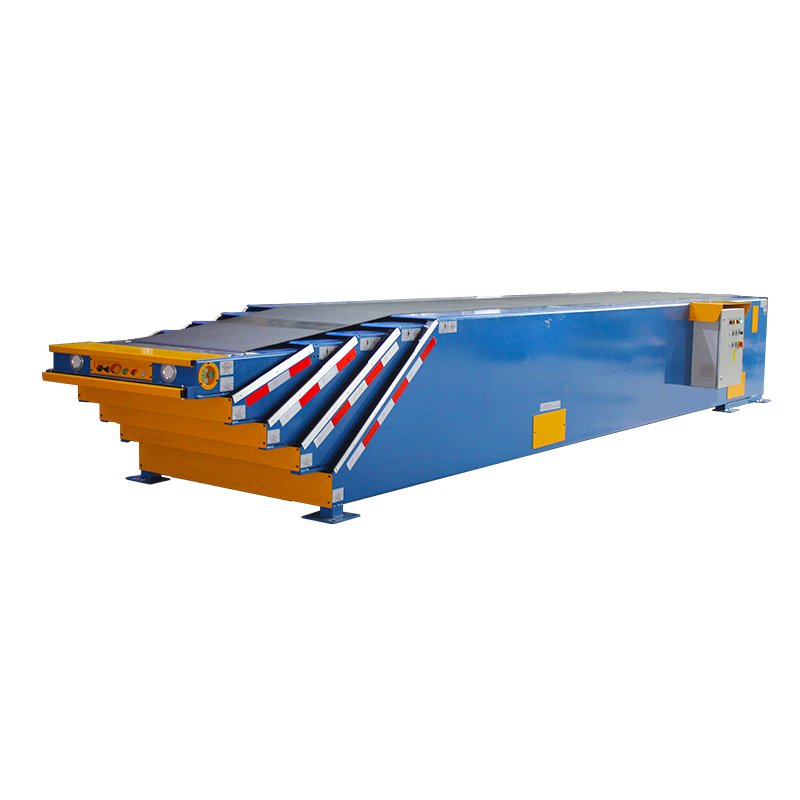
WINDA Belt Telescopic Conveyor -- engineered for high-performance loading and unloading operations with up to 17m extension reach and hydraulic lift capability
Market Outlook: A Booming Industry Driven by E-commerce and Automation
The telescopic belt conveyor market is experiencing unprecedented growth, with valuations reaching $604 million in 2025 and expected to surpass $1 billion by 2032. This remarkable expansion is fueled by converging industry forces that are reshaping how goods move through the supply chain.
E-commerce Explosion
The surge in online shopping has created massive demand for faster, more efficient order fulfillment and last-mile delivery solutions worldwide.
Labor Shortage Crisis
With skilled labor becoming increasingly scarce and expensive, automation offers a reliable alternative to manual material handling.
Global Supply Chains
Expanding international trade requires sophisticated logistics infrastructure capable of handling diverse products across multiple geographies.
Sustainability Pressures
Companies face increasing pressure to reduce carbon footprints, making energy-efficient conveyor systems a strategic priority.
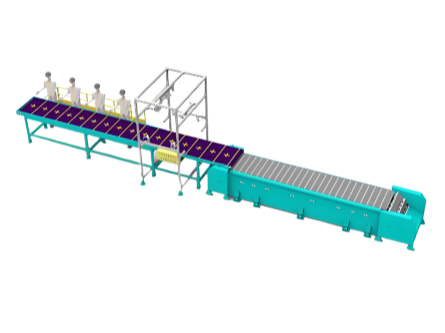
Modern automated warehouse showcasing integrated material handling systems that streamline distribution operations
Technological Innovations Reshaping Telescopic Conveyors
Today's telescopic belt conveyors are light-years ahead of their predecessors, incorporating advanced technologies that dramatically enhance performance, safety, and operational efficiency across the board.

Precision-engineered telescopic mechanism with multi-stage extension for versatile loading applications
1. Smart Sensors and Intelligent Controls
Modern systems are equipped with an array of smart sensors that fundamentally transform how conveyors operate:
- Proximity Sensors: Detect the position of trucks and containers, automatically adjusting conveyor extension to optimal lengths while avoiding collisions.
- Load Sensors: Monitor package weight and distribution in real-time, dynamically adjusting belt speed to prevent jams and product damage.
- Blockage Detection: Identify obstructions instantly in the flow path and automatically halt operations to prevent accidents and equipment damage.
- Variable Speed Control: Adjust belt speed based on package size, weight, and flow rate -- optimizing energy consumption while maximizing throughput.
Key Innovation: Regenerative Braking Technology
Advanced telescopic conveyors now feature regenerative braking systems that convert kinetic energy back into electrical energy during belt deceleration. This not only reduces power consumption by up to 30% but also minimizes wear on mechanical components, significantly extending equipment lifespan and reducing total cost of ownership.
2. Integration with Warehouse Management Systems (WMS)
The true power of modern telescopic conveyors lies in their ability to communicate seamlessly with broader warehouse ecosystems:
| Integration Feature | Benefit | Business Impact |
|---|---|---|
| Real-time Package Tracking | Track each package throughout loading/unloading | Full visibility and accountability |
| Predictive Maintenance Alerts | Monitor motor performance, belt tension, wear | Reduced downtime by up to 40% |
| Optimized Loading Sequences | Analyze order priorities automatically | Faster turnaround times |
| Data Analytics Dashboard | Actionable workflow efficiency insights | Better resource allocation decisions |
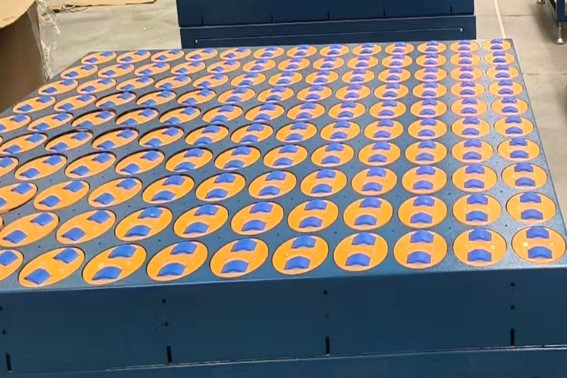
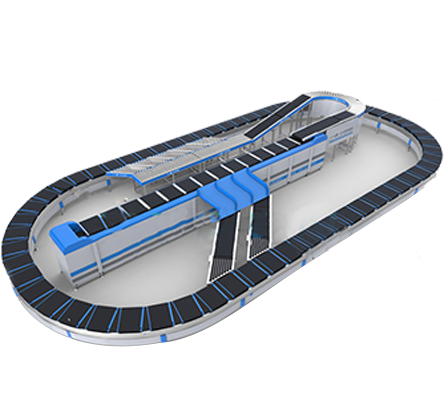
Advanced automation and sorting equipment integrated into modern logistics facilities for high-throughput operations
3. Advanced Materials and Design Improvements
The physical construction of telescopic conveyors has seen significant engineering advancements:
- High-Strength Aluminum Alloys: Replace traditional steel frames, reducing overall system weight by up to 40% while maintaining structural durability and corrosion resistance.
- Modular Belt Designs: Allow quick replacement of damaged sections, dramatically reducing maintenance costs and minimizing unplanned downtime.
- Multi-stage Extension Mechanisms: Enable longer reach without compromising stability -- some industrial-grade systems extend up to 17 meters.
- Compact Folding Designs: Retract into minimal footprints when not in use, ideal for space-constrained dock facilities.

Integrated conveyor systems in manufacturing environments enabling seamless production workflows
4. Enhanced Safety and Ergonomics
Worker safety and operator comfort have become paramount design priorities in modern conveyor development:
Emergency Stop Systems
Strategically placed E-stop buttons along the full conveyor length ensure rapid response to any emergency situation.
Collision Avoidance Sensors
Detect obstacles in the conveyor's path and automatically halt operations before any contact occurs.
Noise Reduction Engineering
Quieter motor systems and vibration-dampening materials reduce noise pollution and operator fatigue.
Hydraulic Height Adjustment
Lifting mechanisms allow ergonomic height matching to different operators and loading bay configurations.
Real-world Applications Across Industries
The versatility of modern telescopic belt conveyors makes them indispensable across a wide range of industries and operational contexts:
- Express Logistics Hubs: DHL, FedEx, and UPS deploy these systems for rapid package sorting and high-volume loading operations.
- E-commerce Fulfillment Centers: Amazon and Alibaba rely on telescopic conveyors to handle massive order volumes during peak shopping seasons.
- Airport Cargo Terminals: Efficiently load and unload baggage and freight from aircraft containers with precision timing.
- Port & Container Yards: Handle shipping containers and bulk cargo with minimal manual intervention and maximum safety.
- Food Processing Facilities: Food-grade belt materials ensure strict hygiene compliance while maintaining high throughput rates.
- Manufacturing Warehouses: Integrate directly with production lines for seamless material flow between workstations.
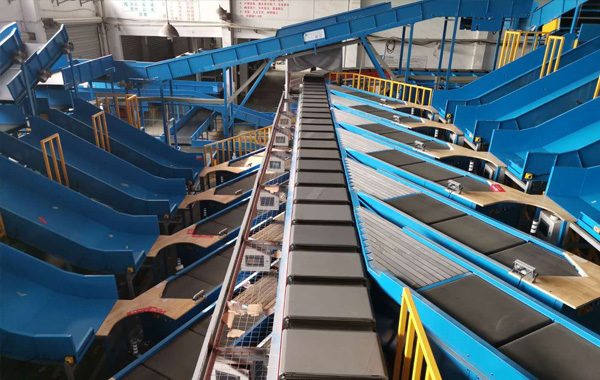
Left: Large-scale logistics distribution facility | Right: Automated package sorting and handling system
The Future: AI, Robotics, and Full Autonomy
As we look toward the next decade, the integration of artificial intelligence and collaborative robotics promises to take telescopic conveyor technology to unprecedented levels of capability:
Artificial Intelligence Integration
AI algorithms are being embedded into conveyor control systems to enable:
- Predict peak loading times using historical data and adjust staffing/equipment deployment proactively
- Optimize package flow based on real-time analysis of order priorities and delivery schedules
- Detect irregularities in packaging or weight that might indicate damaged or mislabeled products
- Continuously learn and improve operational efficiency through machine learning feedback loops
The Robot-Conveyor Ecosystem is Coming
Robotic arms and Automated Guided Vehicles (AGVs) will work alongside telescopic conveyors to create fully autonomous loading and unloading systems. Imagine a scenario where AGVs transport packages to the conveyor, robotic arms sort and orient them precisely, and the telescopic conveyor efficiently loads them into trucks -- all without human intervention. This is not science fiction; it is already being piloted at leading logistics facilities worldwide.
Intelligent robotic automation working alongside conveyor systems in next-generation smart warehouses
Sustainability: Green Innovation in Conveyor Design
Environmental responsibility is driving meaningful innovation throughout the conveyor industry. Manufacturers are responding to both regulatory requirements and customer demand for greener equipment:
| Sustainability Feature | Environmental Benefit | Business Value |
|---|---|---|
| Energy-Efficient IE3/IE4 Motors | Up to 40% reduced power consumption | Significantly lower operating costs |
| Regenerative Braking Systems | Energy recovery during deceleration cycles | Reduced carbon footprint and utility bills |
| Recyclable Aluminum Construction | 90%+ recyclable at end-of-life | Compliance with circular economy regulations |
| Water-free Lubrication Systems | Eliminates water contamination risk | Safer workplace, lower maintenance |
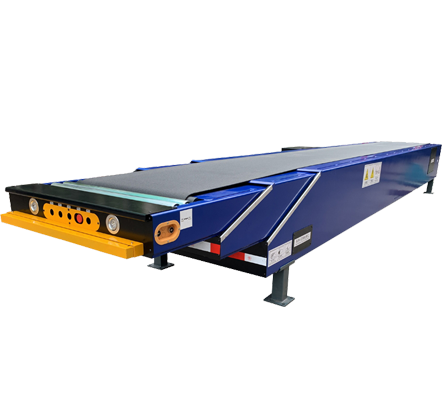
Belt telescopic conveyor in active operation -- demonstrating flexible extension and retraction capabilities at modern loading docks

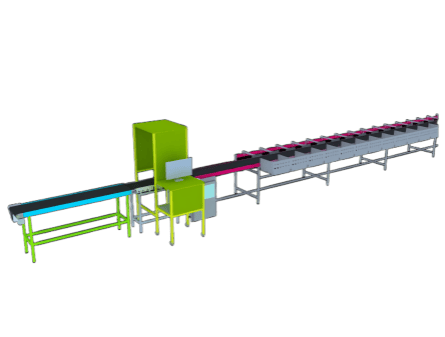
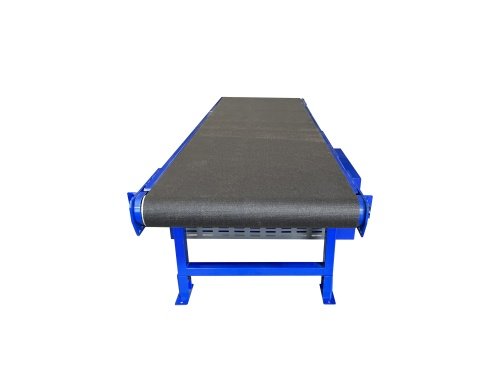
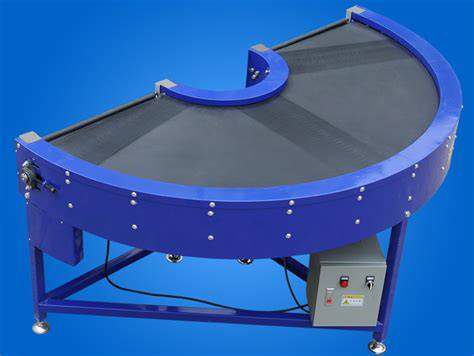
WINDA's comprehensive range of logistics automation solutions -- from individual components to fully integrated systems
Choosing the Right Telescopic Conveyor: A Buyer's Guide
For businesses evaluating investments in telescopic conveyor technology, these key factors should guide the selection process:
- Load Capacity Requirements: Ensure the system can handle your typical package weights -- standard industrial systems support 60kg/m or more.
- Extension Length Needs: Match your conveyor reach to your truck/container sizes -- options range from 4m to 17m.
- Belt Width Configuration: Align with your package dimensions -- common widths include 500mm, 600mm, 800mm, and 1000mm.
- Control System Level: Choose between manual, semi-automatic, or fully automated with WMS integration capabilities.
- Total Cost of Ownership: Calculate ROI based on labor savings, efficiency gains, and projected equipment lifespan (typically 10-15 years).
Conclusion: The Future of Material Handling is Here
The telescopic belt conveyor has evolved from a simple mechanical aid into a sophisticated, intelligent system that sits at the heart of modern logistics operations. With advancements in AI integration, collaborative robotics, advanced materials science, and sustainable engineering, these systems are not merely keeping pace with industry demands -- they are setting new benchmarks for efficiency, worker safety, and environmental responsibility.
For businesses in logistics, e-commerce, manufacturing, and distribution, investing in advanced telescopic conveyor technology is no longer a luxury -- it is a competitive necessity in an increasingly automated world. Those who embrace these innovations early will be best positioned to thrive in the rapidly evolving landscape of global supply chain management.
Ready to Upgrade Your Logistics Operations?
Discover how WINDA's advanced Belt Telescopic Conveyors can transform your warehouse efficiency. CE and ISO9001 certified, fully customizable to your specific operational needs.
Contact Us Today for a Free ConsultationEmail: [email protected]
WhatsApp: +86 186 2085 0485
Website: www.wdsort.com
Manufacturer: Shenzhen WINDA Technology Co., Ltd.