

The Card Sorting Machine (20/40 Outputs) from WINDA has become a reference point for high-speed, high-accuracy categorization of cards, letters and flat mail. As we move through 2026, artificial-intelligence vision, self-learning recognition and cloud-connected control are turning a mechanical conveyor with sensors into a fully software-defined sorting node. This outlook examines the technology trends, real-world applications and market direction shaping these machines in 2026.
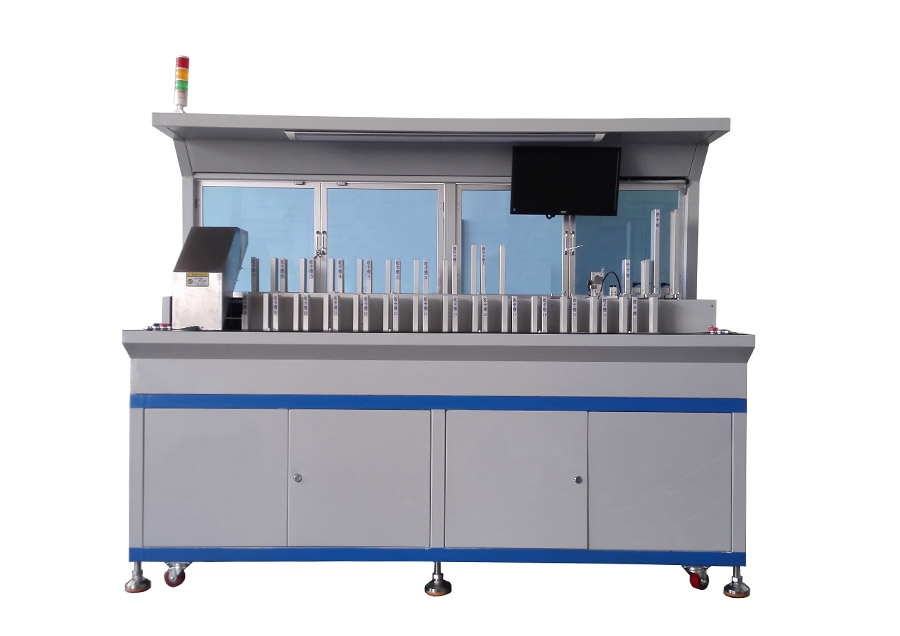
The WINDA Card Sorting Machine is built for operations that must divide large volumes of cards and flat items into many bins without manual handling. Its modular chassis supports 20 or 40 output channels, and the channel count is customizable to match the downstream process. The verified specification is summarized below.
| Parameter | Specification |
|---|---|
| Output Channels | 20 / 40 channels (customizable) |
| Sorting Capacity | Up to 20,000 cards/hour |
| Card Size Range | Min 50x50 mm / Max 250x350 mm |
| Card Thickness | 0.1 - 2.0 mm |
| Sorting Accuracy | > 99.9% |
| Recognition Technology | OCR + Barcode (1D/2D) |
| Power Supply | 220V / 50Hz (customizable) |
| Control System | PLC + WCS (Windows / Linux) |
The machine handles delicate media gently, which is critical when sorting bank cards, postal cards and thin promotional inserts. Modular construction keeps maintenance simple, reducing unplanned downtime.
Each card is fed from a singulator into a transport path where a vision station reads the printed or encoded identity. The control system (PLC paired with a Warehouse Control System, WCS) decides the destination channel and triggers the diverter at the right moment. At 20,000 cards per hour the decision window per item is measured in milliseconds, so recognition speed and transport timing must stay tightly synchronized.
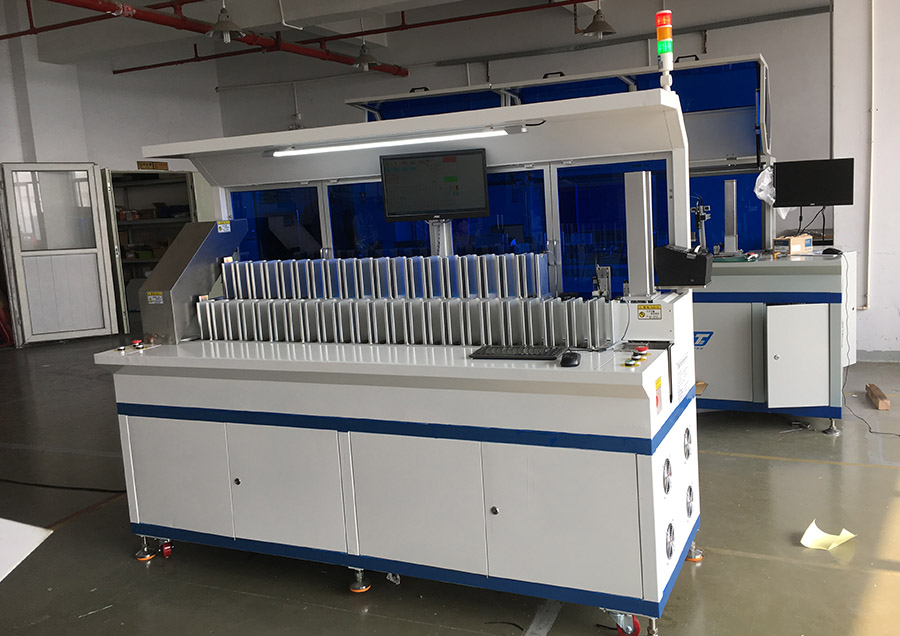
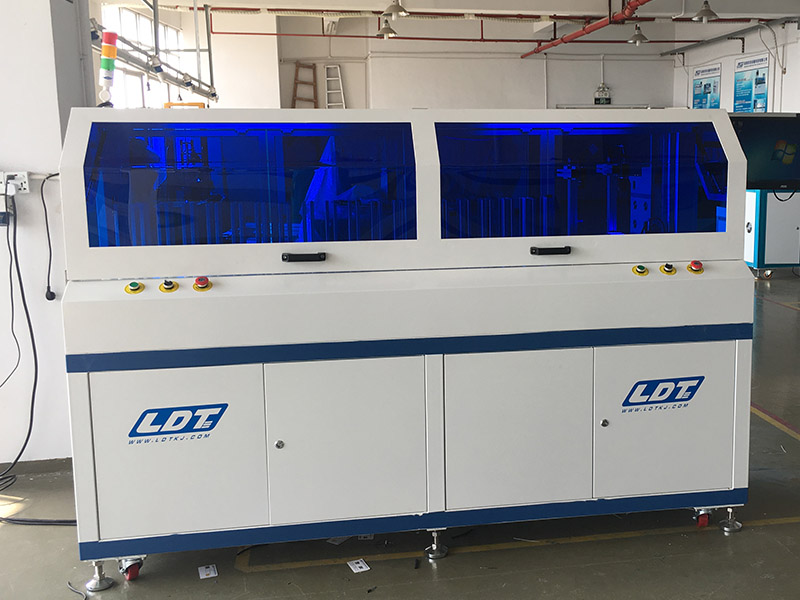
The dual OCR and barcode engine acts on both printed text and machine-readable codes. In 2026 this matters more than ever because mail and card batches increasingly mix legacy printed addresses with QR and DataMatrix codes on the same piece.
Traditional sorters matched a rigid template. In 2026, on-device AI vision models classify cards by logo, layout and damage state, not just by a decoded string. This lifts accuracy on skewed, partial or low-contrast prints and cuts false diverts to a manual recovery bin.
Modern WCS deployments add a feedback loop: when an operator corrects a divert, the model records and adapts. Over weeks the sorter learns local print styles, postal fonts and label designs, pushing effective accuracy beyond the 99.9% mark even on unfamiliar batches.
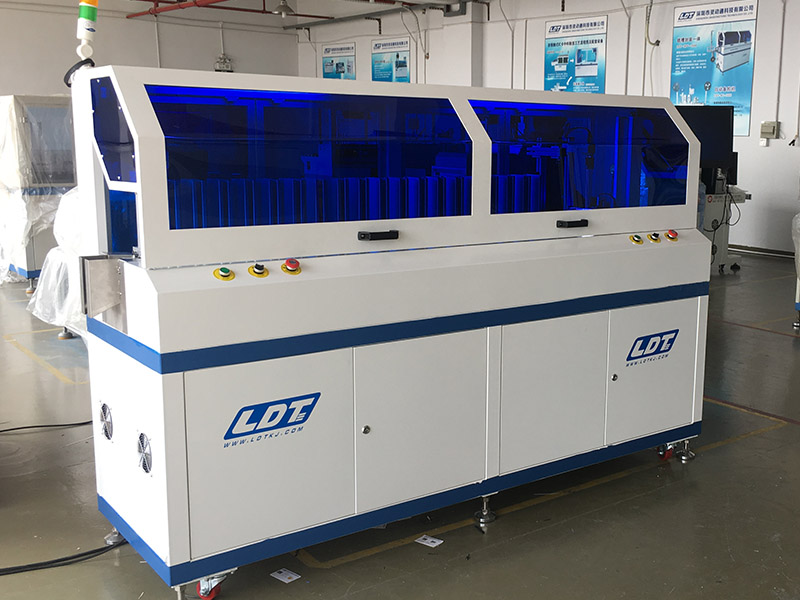
Sensors on motors, belts and diverters stream vibration and temperature to a dashboard. Instead of reacting to a jam, the operator gets a warning days before a belt or encoder is likely to fail. For a 20,000 cards/hour line, avoiding one unplanned stop protects thousands of correctly sorted pieces per shift.
A digital twin mirrors the physical line so engineers can rehearse a new channel map or throughput profile before touching hardware. Routing rules become configuration, not wiring: a seasonal campaign needing 40 channels today and 20 tomorrow is a software change, not a rebuild.
2026 buyers weigh power per sorted card. Variable-speed drives, regenerative braking on diverters and standby zoning cut energy during low-volume windows, supporting sustainability targets without sacrificing peak throughput.
Several forces push card and flat-mail sorting investment upward in 2026:
Analysts tracking postal and parcel automation project steady mid-single-digit annual growth through 2026, with smart, software-defined sorters taking share from fixed mechanical lines. WINDA positions the 20/40-channel model as a scalable entry that grows with the operation.
At 20,000 cards/hour with >99.9% accuracy, a single line can replace several manual sorting stations. The ROI case in 2026 rests on three pillars: labor saved, error cost avoided, and uptime gained from predictive maintenance. For high-volume postal and banking sites, payback commonly lands within the first year, especially where labor cost and mis-sort penalties are high.
Card sorting is often combined with complementary WINDA equipment:
You can also read our industry outlook on the Envelope Sorting Machine 2026 Outlook.
Email: info@wdsort.com | Tel: +86 186 2085 0485
Sorter
Wechat QR code
wechat number:Copyright © 2022-2023 Winda, inc. All rights reserved