Smart Warehouse Management Systems: 2026 Market Trends and Implementation GuideSmart Warehouse Management Systems: 2026 Market Trends and Implementation Guide
Introduction to Smart Warehouse Management
In 2026, smart warehouse management systems have become the cornerstone of modern logistics and supply chain operations. These systems integrate artificial intelligence, Internet of Things (IoT), robotics, and data analytics to optimize warehouse operations, reduce costs, and improve efficiency.
This comprehensive guide explores the latest trends, technologies, and implementation strategies for smart warehouse management systems in 2026.
Key Components of Smart Warehouse Systems
1. Warehouse Management System (WMS) Software
Modern WMS software provides real-time visibility into inventory, orders, and warehouse operations. Key features include:
- Real-time inventory tracking and management
- Order processing and fulfillment optimization
- Labor management and performance tracking
- Integration with ERP and e-commerce platforms
- Advanced analytics and reporting capabilities
2. Automated Material Handling Equipment
Automated equipment reduces manual labor and increases throughput. Common technologies include:
- Automated Storage and Retrieval Systems (AS/RS): High-density storage with automated cranes
- Conveyor Systems: Belt, roller, and chain conveyors for material transport
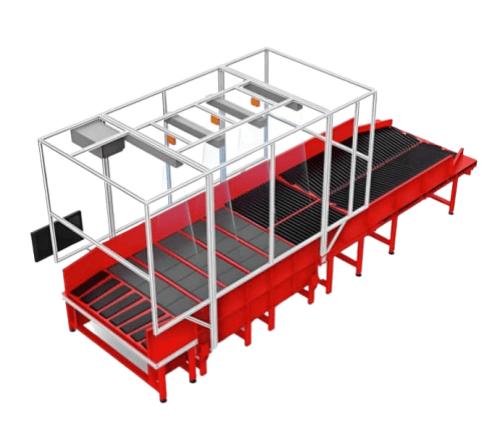
- Sortation Systems: Automated sorting of packages and products
- Autonomous Mobile Robots (AMRs): Flexible, collaborative robots for material movement
- Automated Guided Vehicles (AGVs): Traditional guided vehicles for repetitive tasks
3. Internet of Things (IoT) and Sensors
IoT devices provide real-time data for decision-making. Applications include:
- RFID and barcode scanning for inventory tracking
- Environmental sensors for temperature and humidity monitoring
- Asset tracking tags for equipment and personnel
- Smart shelves with weight sensors for inventory accuracy
- Predictive maintenance sensors for equipment health monitoring
2026 Market Trends and Growth Drivers
Market Size and Growth
The global smart warehouse market is projected to reach $25.3 billion by the end of 2026, growing at a CAGR of 12.8% from 2023 to 2026. Key growth drivers include:
- E-commerce growth and omni-channel fulfillment requirements
- Rising labor costs and shortage of skilled warehouse workers
- Increasing demand for faster delivery and order accuracy
- Technological advancements making automation more affordable
- Government initiatives promoting smart manufacturing and logistics
Regional Analysis
Asia-Pacific: The largest market, driven by China's e-commerce boom and manufacturing automation. Key players include Alibaba, JD.com, and local WMS providers.
North America: Mature market with focus on system upgrades and retrofitting. Leading adoption in retail, e-commerce, and third-party logistics (3PL).
Europe: Strong focus on sustainability and energy efficiency. Stringent labor regulations driving automation adoption.
Implementation Strategies and Best Practices
1. Assessment and Planning
Before implementing a smart warehouse system, conduct a thorough assessment:
- Analyze current warehouse operations and identify pain points
- Define clear objectives and key performance indicators (KPIs)
- Evaluate existing IT infrastructure and integration requirements
- Assess budget and ROI expectations
- Develop a phased implementation roadmap
2. Technology Selection
Choose technologies that align with your business requirements:
- Select WMS software with open APIs and standard interfaces
- Prioritize scalable and modular hardware solutions
- Consider cloud-based vs. on-premise deployment options
- Evaluate vendor support capabilities and local service presence
- Plan for future expansion and technology upgrades
3. Change Management and Training
Successful implementation requires effective change management:
- Communicate benefits and address employee concerns early
- Provide comprehensive training for warehouse staff
- Establish clear roles and responsibilities
- Create super-user groups for ongoing support
- Monitor adoption and address resistance promptly
Case Studies and Success Stories
Case Study 1: E-commerce Fulfillment Center
A leading e-commerce company implemented a smart warehouse system with the following results:
- Order processing time reduced from 2 hours to 15 minutes
- Inventory accuracy improved from 92% to 99.5%
- Labor costs reduced by 35%
- Throughput increased by 150%
- Customer satisfaction scores improved by 25%
Case Study 2: Manufacturing Warehouse
A manufacturing company implemented IoT-based smart warehouse management:
- Real-time visibility into raw material inventory
- Reduced stockouts by 60%
- Improved production planning accuracy by 40%
- Decreased inventory holding costs by 20%
- Enhanced supplier collaboration and communication
Future Outlook and Emerging Technologies
Looking ahead to 2027 and beyond, several emerging technologies will shape the future of smart warehouses:
- Digital Twins: Virtual replicas of physical warehouses for simulation and optimization
- Artificial Intelligence and Machine Learning: Predictive analytics for demand forecasting and inventory optimization
- 5G Connectivity: Ultra-low latency communication for real-time control and monitoring
- Blockchain: Enhanced supply chain transparency and traceability
- Collaborative Robots (Cobots): Human-robot collaboration for flexible operations
- Augmented Reality (AR): Hands-free picking and navigation guidance
Conclusion
Smart warehouse management systems in 2026 represent a transformative approach to logistics and supply chain operations. By integrating advanced technologies such as AI, IoT, robotics, and data analytics, businesses can achieve unprecedented levels of efficiency, accuracy, and cost savings.
For organizations considering smart warehouse implementation, key recommendations include:
- Start with a clear assessment of current operations and future requirements
- Develop a phased implementation plan to minimize disruption
- Choose scalable and flexible technologies that can adapt to changing needs
- Invest in comprehensive training and change management
- Partner with experienced vendors who understand your industry and business model
For more information about smart warehouse management systems and implementation support, please contact our technical team. We provide comprehensive solutions including WMS software, automated equipment, and IoT integration services.