

When operators evaluate an envelope sorting machine, the first number on the quotation is throughput. The WINDA sorter runs at 8,000 to 40,000 pieces per hour, and that range looks like the whole story. In practice, the number that decides whether the investment pays back in 18 to 24 months or drifts past 36 is the exception rate: the fraction of items the machine cannot read, route, or handle.
This 2026 examination uses the real capabilities of the WINDA Envelope Sorting Machine: dual barcode-plus-OCR recognition at 99.7 percent read accuracy, a 90x140-350x250 mm adaptive feed, 4 to 24 modular outlets, and variable speed.
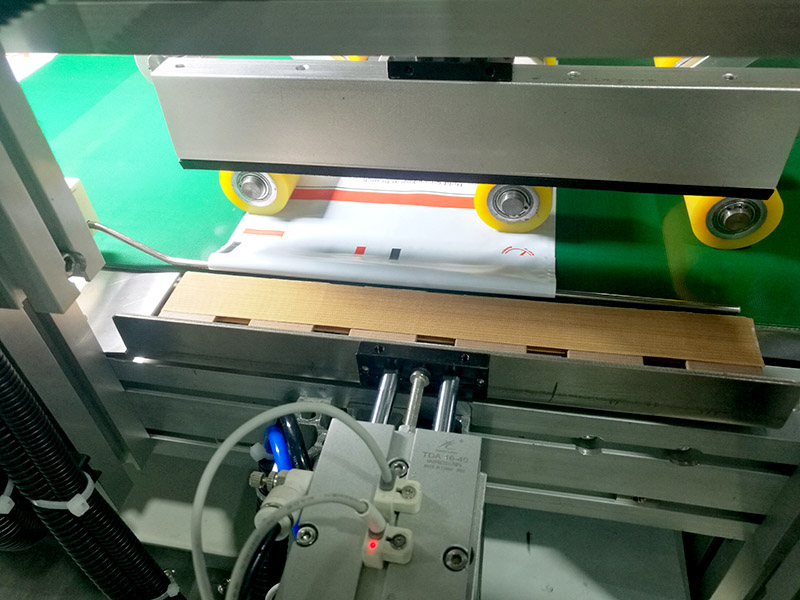
Figure 1. Dual-recognition stations sit upstream of the outlet stack.
A 99.7 percent read accuracy sounds near-perfect, but translate it into shift language. At an average feed of 20,000 pieces per hour, a 0.3 percent exception rate produces roughly 60 unread items every hour, close to 480 per shift, each needing keyed or re-sorted handling by staff the automation was supposed to free.
The economics compound: 400 exceptions per shift at 8 to 12 seconds per item consumes about one full-time operator per shift, quietly clawing back 20 to 30 percent of the promised labor savings. Unmanaged exceptions become backlogs that push SLAs. A disciplined exception lane outperforms a faster machine whose unreadables pile up in gaylords (see our separation analysis).
The machine pairs a barcode reader with a dual-head OCR system. Printed addresses remain the fallback when labels are torn, creased, or smudged, routine on transactional mail. The dual-head OCR still achieves 98 percent-plus read rates on printed addresses when the barcode is unreadable:
| Item condition | Reading path | Outcome |
|---|---|---|
| Clean barcode | Barcode read | Direct routing at full speed |
| Barcode damaged | OCR reads printed address | Routed normally, flagged for review |
| Both fail (illegible, folded) | Photo capture | Exception station with image record |
The third row is the one to scrutinize in vendor comparisons. Photo capture turns every unread item into an auditable record: the operator keys the decision, and the system logs both.
Fixed-speed sorters force a bad trade: run flat-out and tolerate jams during lulls, or throttle feed manually and lose peaks. The 8,000-to-40,000 range with dynamic adjustment is best read as a staffing instrument. Mail operations live on volume curves, with holiday peaks at 2 to 3 times the monthly average; a sorter that follows the curve lets staffing match actual flow: two operators cover twelve outlets during a 10,000-piece lull, while a 35,000 peak takes reinforcement without the stall-and-restart cycle.
There is also a jam dividend: feeding at 60 to 70 percent of maximum during mixed-condition batches measurably reduces multi-item feeds, which are themselves exception generators.
Outlets are where sorting strategy becomes physical. The platform configures 4 to 24 modular outlets, and the right number follows your destination profile. Two rules of thumb hold. First, outlets should cover your top destination groups plus one consolidation lane; if your top 15 routes carry 85 percent of volume, 16 to 18 outlets capture nearly everything in a single pass. Second, every outlet below your real destination count forces a secondary sort, which re-introduces manual labor.
The adaptive feed handles 90x140 mm to 350x250 mm envelopes without manual adjustment, spanning DL (110x220 mm) through C4 (324x229 mm) plus thick catalogs. The commercial framing is convenience; the operational framing is jam prevention and changeover elimination. Every manual size changeover is a stop-the-line event: batches queue, guides get adjusted, and the first minutes after restart run dirty. Facilities running mixed-size mail face dozens of changeovers per shift on fixed-geometry machines.

Figure 2. Outlet modules stack along the discharge side; the feed accepts the full size class in one batch.
| Specification | WINDA Envelope Sorting Machine |
|---|---|
| Throughput | 8,000 to 40,000 pieces per hour, dynamically adjustable |
| Size range | 90x140 mm to 350x250 mm (DL to C4), adaptive feed |
| Recognition | Barcode + dual-head OCR, 99.7 percent-plus read accuracy |
| Outlets | 4 to 24, modular and field-expandable |
| Exception handling | Dedicated station with photo capture and audit logging |
| Integration | RESTful API, WMS/TMS, SOAP/XML legacy bridges |
For a general trend view of the same family, see our earlier envelope sorting outlook.
Documented outcomes on this platform: labor cost down 60 to 75 percent, accuracy from 99.2 to 99.8 percent, throughput at 3 to 5 times manual capacity, payback in 18 to 24 months. The arithmetic, made explicit: an operation manually sorting 12,000 envelopes per shift mis-files about 96 items at 99.2 percent accuracy, each corrected downstream at 15 to 20 seconds. Automating at 20,000 pieces per hour replaces the bench, lifts accuracy to 99.8 percent (mis-sorts down to about 24), and compresses the exception lane to one operator. The labor line alone typically funds the machine; 18 to 24 months is a midpoint, not a best case (see the express envelope sorter analysis for the small-hub scale).
Integration scope is a purchase criterion. The machine ships API-ready for WMS, TMS, and postal systems, with RESTful for modern stacks and SOAP/XML bridges for legacy platforms; documented integrations include Pitney Bowes and Neopost environments. Where routing data exists upstream, the sorter consumes it directly instead of imposing its own destination table.
Installation is concrete: standard configurations ship in 4 to 6 weeks; on-site commissioning takes 3 to 5 days, covering mechanical setup, calibration against your mail samples, and outlet mapping. Calibrating against representative condition mail, not pristine test pieces, is what makes the 99.7 percent figure real.
The consistent theme: envelope sorting succeeds or fails on the margins, in the exception lane, the changeover window, and the outlet map. Machines that manage those margins, like the WINDA Envelope Sorting Machine, convert a throughput quotation into an operation that delivers its payback.
Planning an envelope sorting upgrade in 2026? WINDA builds envelope, parcel, and card sorting systems for postal operators, fulfillment centers, and banking mailrooms. Contact us: WhatsApp +86 186 2085 0485, or email info [at] zowinda [dot] com for a response within one business day.
Sorter
Wechat QR code
wechat number:Copyright © 2022-2023 Winda, inc. All rights reserved